Heritage
A Heritage Weekend in Bulawayo: Museums, Art and Khami
A two-day plan linking Bulawayo’s museums, gallery and the World Heritage landscape at Khami.
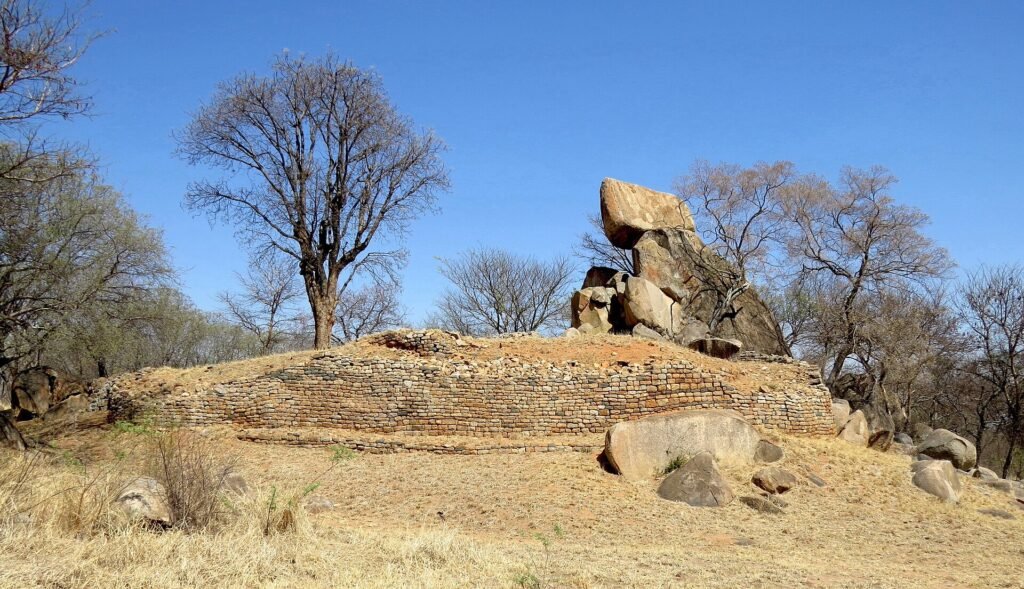
Bulawayo’s heritage is not held in one building. It is distributed across archaeological landscapes, museum collections, civic architecture, visual art and the memories carried by residents. This two-day plan connects those layers while leaving enough time to look carefully. Khami Ruins is the anchor, but the weekend begins in the city so that the site is approached with context.
Day one: build the context
Start at the Natural History Museum of Zimbabwe in Centenary Park. Its regional collections give useful background for understanding the landscapes and communities around Bulawayo. Select the galleries most relevant to your interests rather than treating the museum as a corridor to complete.
Continue to the National Gallery of Zimbabwe in Bulawayo. Contemporary work can reveal how artists interpret history, identity, land and the changing city. The conversation between museum collections and living artistic practice is one of the strongest reasons to place both institutions on the same day.
Use the late afternoon to look at the centre’s civic buildings and broad avenues. This is not a formal architectural tour, so stay on public routes, remain alert to traffic and ask permission before photographing people or private property.
Day two: Khami Ruins
Set aside a proper half-day for Khami Ruins National Monument, west of Bulawayo. The UNESCO World Heritage site preserves an important dry-stone settlement associated with the Torwa state after the decline of Great Zimbabwe. Its decorated retaining walls and platform settlement reward slow observation.
Arrange reliable transport in advance and confirm access information through the official heritage source. Take water, sun protection and footwear suited to uneven ground. Do not climb on walls, remove stones or treat the site as a backdrop without recognising its cultural significance.
How to read the weekend
The value of this route is in the relationship between places. Museum objects, an archaeological landscape and contemporary art do not tell the same story, but together they resist a simplified version of Bulawayo. Notice what each institution emphasises, what is absent and which questions you want to pursue further.
If time allows, finish at a local café and write down the names, dates or themes you want to research. Heritage becomes more useful when it opens a line of inquiry rather than ending with a photograph.