Culture
Where Bulawayo’s Creative Economy Meets the Public
A practical look at the galleries, makers, venues and support networks that connect creative work with audiences.
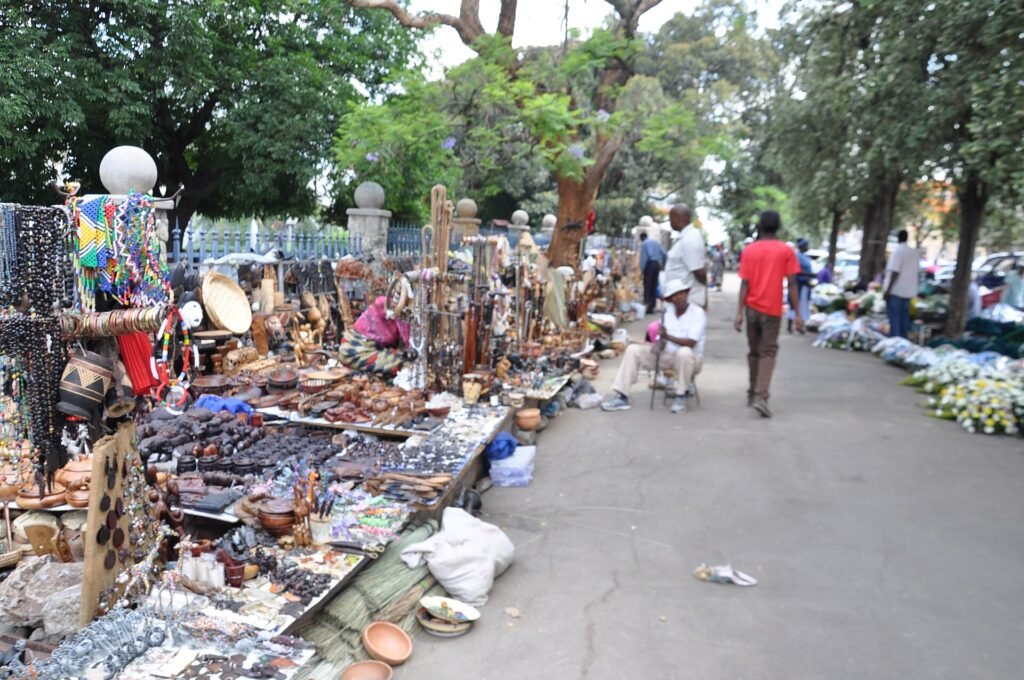
Bulawayo’s creative economy is visible in galleries, craft shops, performances, design studios, technology communities and the informal networks through which people share work. The public usually meets only the finished object or event. Behind it sits a chain of training, production, rehearsal, promotion, sales and relationships. Understanding that chain helps residents, visitors and the diaspora support creative work more intelligently.
Where the public meets the work
The National Gallery of Zimbabwe in Bulawayo is an obvious entry point, but it is not the whole ecosystem. Independent makers, market traders, photographers, performers, designers and digital creators use many different spaces. Some are permanent venues; others appear through workshops, pop-ups, festivals and social media.
A useful city platform should connect a story to a place, a maker to a business profile and an event to a reliable date. That is why Bulawayo Connect treats editorial work and directory information as parts of the same system rather than separate websites.
What meaningful support looks like
Buying work is direct support, but it is not the only form. Attend an exhibition, pay the stated price where you can, commission local design, recommend a maker with accurate contact details and credit artists when sharing their work. Organisations can provide venues, equipment, mentorship and procurement opportunities without taking control of the creator’s voice.
Diaspora supporters should begin by asking what is already being built locally. A small, reliable commitment to an existing programme is often more useful than a dramatic project designed from a distance.
The infrastructure gap
Creative talent can be strong while the surrounding infrastructure remains fragile. Gaps in affordable space, equipment, marketing, payment systems and long-term funding make it harder to turn good work into stable income. Public information is part of that infrastructure: people cannot attend, buy or collaborate when dates, locations and contact routes are unclear.
The answer is not to describe every creative project as a success story. Honest coverage should show the work, explain the conditions around it and make the next step clear.
A practical way forward
Bulawayo Connect will continue building profiles that can be corrected and updated, event listings that lead back to organisers, and stories that connect readers to real activity. Creators and organisations can use the contribution form to suggest additions. Submissions are reviewed before publication so that visibility does not come at the expense of accuracy.